The Value of English Delftware: Why Prices Range from Hundreds to Thousands of Pounds
English delftware has long fascinated collectors and enthusiasts for its distinctive blue and white as well as polychrome designs and rich history. Yet, when browsing the market, you might notice a wide price range for these pieces, from a few hundred pounds to several thousands. What drives such a difference in value? This post explores the factors that influence the price of English delftware, helping you understand what makes some pieces more valuable than others.
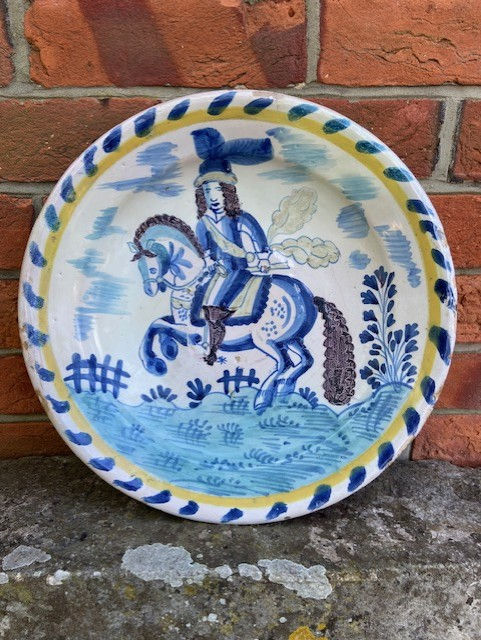
What Is English Delftware?
English delftware refers to tin-glazed pottery produced in England, primarily during the 17th and 18th centuries. Inspired by Dutch and Chinese porcelain, English potters developed their own style characterized by a white, opaque glaze decorated with cobalt blue designs. These pieces include plates, jugs, tiles, and other household items.
The appeal of English delftware lies in its craftsmanship and historical significance. It represents an important chapter in British ceramic history, bridging the gap between traditional earthenware and fine porcelain.
Factors That Affect the Value of English Delftware
Several key factors determine why some English delftware pieces sell for hundreds of pounds while others fetch thousands. Understanding these can help collectors make informed decisions.
Age and Historical Period
Older pieces, especially those from the 17th century, tend to be more valuable. Early English delftware was produced in limited quantities and often shows unique characteristics of the period.
Later pieces from the 18th century are generally more common and may be less expensive, although exceptions exist for rare designs or makers.
Condition and Restoration
Condition plays a crucial role in pricing. Chips, cracks, and repairs reduce value significantly. Collectors prefer pieces with original glaze and minimal damage. Restored items can still have value but usually sell for less than those in pristine condition.
Rarity and Design
Some designs are rarer than others. For example, delftware featuring intricate scenes, heraldic motifs, or unusual shapes can command higher prices. one-off or dated or historical pieces are especially valuable.
Common patterns like simple floral or geometric designs are more widely available and tend to be priced lower.
Provenance and Maker
Pieces with documented provenance can attract premium prices.
Signed or marked pieces are easier to authenticate and usually more desirable.
Size and Function
Larger items such as chargers or punch bowls generally cost more than smaller plates or tiles. Functional items like mugs or jugs may be less valuable unless they have unique decoration or historical importance.
Examples of Price Ranges in English Delftware
Common plates and tiles from the 18th century in good condition typically sell for £100 to £500.
Rare 17th-century pieces with detailed scenes or heraldic designs can reach £1,000 to £3,000.
Exceptional items with provenance or from famous makers may exceed £5,000 at auction.

current stock a london delftware "squirrel in a vine pattern plate"
How to Assess English Delftware Value
If you are interested in buying or selling English delftware, consider these practical steps:
Research the maker and period: Use reference books or online databases to identify marks and styles.
Check condition carefully: Look for chips, cracks, and signs of restoration.
Compare similar items: Auction results and dealer listings provide useful price benchmarks.
Seek expert advice: Professional appraisers or experienced collectors can offer valuable insights.
Why Collectors Value English Delftware
Collectors appreciate English delftware for its artistic qualities and connection to history. The hand-painted designs are visually striking, and each piece tells a story about the era it was made in. Owning a piece of English delftware means owning a part of British heritage.
Moreover, the market for antique ceramics remains strong, with steady demand from collectors worldwide. This demand helps maintain and sometimes increase the value of quality pieces.
Tips for Buying English Delftware
Buy from reputable dealers or auction houses to avoid fakes.
Request detailed photos and condition reports.
Consider the piece’s history and uniqueness.
Set a budget based on your collecting goals.
Be patient; the right piece at the right price may take time to find.
English delftware offers a rewarding collecting experience, blending beauty, history, and investment potential.


Comments