The Charm of Slipware Pottery Collecting
Slipware pottery has a distinct appeal that draws collectors and enthusiasts alike. Its rich history, unique techniques, and decorative qualities make it a fascinating subject for anyone interested in ceramics. I have spent years exploring this art form and have come to appreciate the subtle beauty and craftsmanship that define slipware pottery.
Understanding Slipware Pottery Collecting
Slipware pottery is created by applying a liquid clay mixture, called slip, onto the surface of a pot before firing. This technique allows for intricate designs and patterns that are often colourful and textured. Collecting slipware pottery involves recognising these features and understanding the historical context behind them.
Slipware has been produced in various cultures, but English slipware is particularly notable for its traditional methods and distinctive styles. Collectors often seek pieces from specific periods or regions, focusing on the quality of the slip decoration and the condition of the pottery.
When starting a collection, it is important to learn about the different types of slipware, such as sgraffito, marbled, and trailed slip. Each style offers a different aesthetic and requires different skills to produce. Familiarity with these styles helps in identifying authentic pieces and appreciating their craftsmanship.
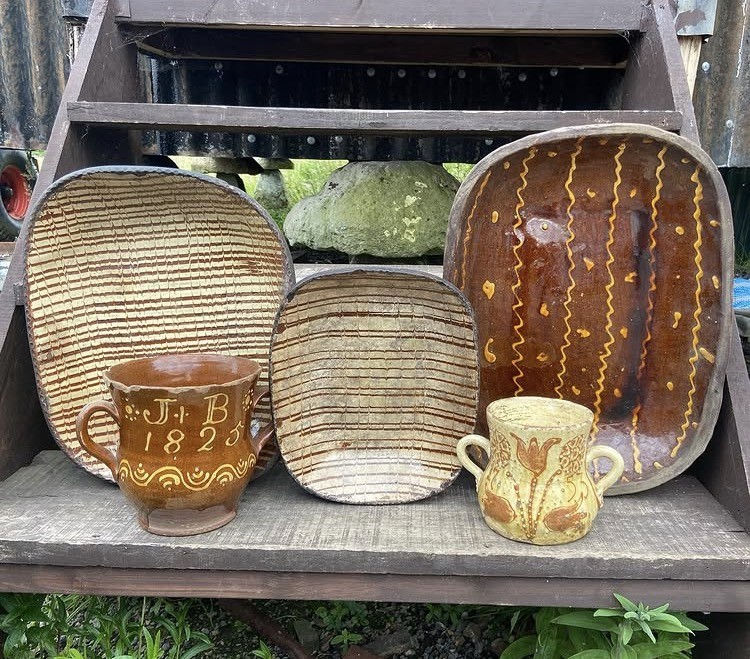
The History and Techniques Behind Slipware Pottery
Slipware pottery dates back centuries and has evolved through various cultural influences. The technique involves coating a clay body with slip, which can be coloured or left natural. The slip is then manipulated to create patterns, often by scratching through it (sgraffito) or layering different colours.
In England, slipware became popular in the 17th and 18th centuries. Potters used local clays and slips to produce functional items like plates, jugs, and mugs. The decoration was not only artistic but also practical, as it helped to seal the pottery and make it more durable.
The firing process is crucial in slipware production. It requires careful control of temperature to ensure the slip adheres properly and the colours develop as intended. This technical aspect adds to the charm of antique pieces, as each one reflects the skill and knowledge of its maker.
Collectors value slipware pottery for its combination of utility and artistry. The visible brush strokes, the layering of colours, and the occasional imperfections all contribute to the character of each piece.
How to Tell if Old Pottery is Valuable?
Determining the value of old pottery, including slipware, involves several factors. First, the condition of the piece is paramount. Chips, cracks, and repairs can significantly reduce value. However, minor wear consistent with age is often acceptable and can even add to the authenticity.
Second, provenance plays a role. Pieces with documented history or association with notable potters or regions tend to be more valuable. Researching the maker’s marks or signatures can provide clues about origin and age.
Third, rarity and uniqueness affect value. Limited production pieces or those with unusual designs are sought after. Slipware with vibrant, well-preserved decoration is particularly prized.
Finally, market demand influences prices. Trends in collecting can shift, so staying informed about current interests helps in making sound acquisitions.
When assessing a piece, I recommend consulting experts or reputable sources. Detailed condition reports and expert identification, like those provided by trusted dealers, offer confidence in the authenticity and value of a purchase.

Caring for and Displaying Slipware Pottery
Proper care is essential to preserve the beauty and integrity of slipware pottery. Avoid exposing pieces to extreme temperature changes or direct sunlight, as these can cause damage or fading.
Cleaning should be gentle. Use a soft cloth and mild soap with water. Avoid abrasive materials or harsh chemicals that could harm the slip decoration. For valuable or fragile items, professional conservation advice is recommended.
Displaying slipware pottery effectively enhances its appeal. Grouping pieces by style or period can create a cohesive look. Consider using shelves with good lighting to highlight the colours and textures.
When handling, always support the base to prevent stress on handles or rims. This practice reduces the risk of accidental damage.
The Enduring Appeal of Slipware Pottery
The charm of antique slipware pottery lies in its blend of history, craftsmanship, and visual interest. Each piece tells a story of the potter’s skill and the cultural context in which it was made.
For collectors and enthusiasts, slipware offers a tangible connection to the past. Its decorative techniques and functional forms continue to inspire appreciation and study.
Whether displayed in a home or part of a curated collection, slipware pottery remains a testament to the enduring value of traditional craft. Its appeal is not just in its appearance but in the knowledge and care that go into every piece.
Exploring slipware pottery collecting can be a rewarding journey. It invites a deeper understanding of ceramic art and offers opportunities to acquire pieces that are both beautiful and historically significant.


Comments