The Allure of Antiques and Their Stories
Antiques hold a unique place in our lives. They are not just objects; they are vessels of history, culture, and craftsmanship. Each piece carries a story, a glimpse into a different era, and a connection to the past that modern items often lack. This post explores why antiques continue to captivate collectors and enthusiasts, how their stories enrich our understanding of history, and practical ways to appreciate and care for these timeless treasures.
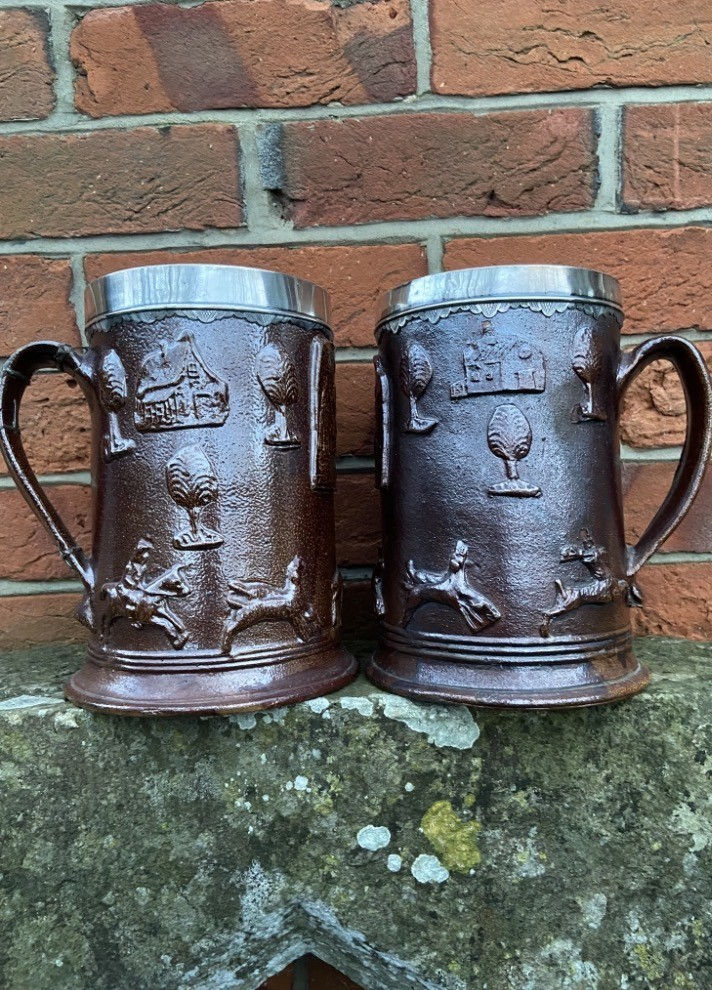
go with your natural flow , your likes and what makes you happy , we trawel antique shops and websites to bring the best we can find you at reasonable prices , i can walk into an antiques arcade and browse and there will be several things that im drawn to , thats the same for everyone , if i like something i would buy it regardless of its condition and i own many pieces here that are badly broken and re glued , especially delftware but yes , i love them , and my connection is pure and simple , i dont own these objects , i am mearly the next cycle in its every changing and evolving history which will go on until the end of time

What Makes Antiques So Captivating
Antiques attract people for many reasons beyond their age. Their appeal lies in:
Craftsmanship: Many antiques were handmade with techniques that require skill and patience. This level of detail is rare in mass-produced modern goods.
History: Each antique has a story, whether it belonged to a notable person, was part of a significant event, or reflects the style and culture of a particular time.
Uniqueness: Unlike modern items, antiques often have no exact duplicates. Their imperfections and wear add character and authenticity.
Sustainability: Collecting antiques supports reuse and reduces waste, making it an environmentally friendly choice.
For example, a Victorian-era writing desk may show signs of use but also reveal the artistry of woodworkers from that period. Owning such a piece connects you to a time when writing was a cherished activity, and furniture was built to last generations.
How Antiques Tell Stories
Every antique carries a narrative woven through its materials, design, and wear. These stories can be uncovered through:
Research: Learning about the maker, origin, and historical context of an item reveals its significance.
Provenance: Tracing the ownership history adds depth and sometimes increases value.
Physical Clues: Marks, repairs, and patina tell how an item was used and cared for over time.
Collecting Antiques: Tips for Beginners
Starting an antique collection can be rewarding but requires some knowledge to avoid common pitfalls. Here are practical tips:
Focus on What You Love
Choose items that resonate with your interests or décor style. Passion makes collecting enjoyable and meaningful.
Learn to Identify Authenticity
Study materials, construction methods, and marks that distinguish genuine antiques from reproductions.
Set a Budget
Antiques vary widely in price. Decide how much you want to spend and stick to it.
Buy from Reputable Sources
Antique shops, auctions, and fairs with good reputations reduce the risk of fraud.
Inspect Condition Carefully
Look for damage, repairs, and signs of restoration. Some wear is acceptable, but extensive damage can affect value.
Ask Questions
Don’t hesitate to inquire about an item’s history and authenticity.
For example, if you are drawn to mid-century furniture, learning about designers and materials from that era helps you spot quality pieces and avoid overpriced fakes.
Caring for Antiques to Preserve Their Value
Proper care ensures antiques remain beautiful and valuable for years. Basic guidelines include:
Cleaning Gently
Use soft cloths and mild cleaners suited to the material. Avoid harsh chemicals.
Controlling Environment
Keep items away from direct sunlight, extreme temperatures, and humidity to prevent damage.
Handling with Care
Move antiques carefully to avoid scratches or breaks.
Regular Maintenance
For wooden furniture, occasional polishing with appropriate wax helps preserve finish.
Professional Restoration
When needed, hire experts to restore items without compromising authenticity.
For example, an antique leather-bound book benefits from storage in a cool, dry place and occasional dusting with a soft brush.
The Emotional Connection to Antiques
Beyond their physical presence, antiques evoke emotions and memories. They often remind us of family heritage or inspire curiosity about the past. This emotional bond adds to their allure and motivates collectors to preserve them.
A grandmother’s jewelery box, passed down through generations, carries sentimental value that no new item can replace. Similarly, a vintage clock ticking in a living room can create a comforting atmosphere, linking present moments with history.
Antiques in Modern Living Spaces
Incorporating antiques into contemporary homes adds character and depth. Mixing old and new creates a balanced aesthetic that feels personal and timeless. Here are ways to blend antiques with modern décor:
Use an antique mirror as a statement piece in a minimalist room.
Place a vintage armchair in a modern living area for contrast and comfort.
Display antique ceramics or glassware on open shelves.
Combine antique lighting fixtures with sleek furniture.
This approach not only showcases the beauty of antiques but also keeps their stories alive in everyday life.
The Investment Potential of Antiques
While collecting antiques should primarily be about enjoyment, some pieces can appreciate in value. Factors influencing investment potential include:
Rarity and demand
Condition and authenticity
Historical significance
Provenance
For instance, a rare Art Deco piece by a renowned designer may increase in value over time. However, market trends fluctuate, so it is wise to collect what you love rather than purely for financial gain.


Comments