Exploring the Intricacies of 17th Century English Beadwork
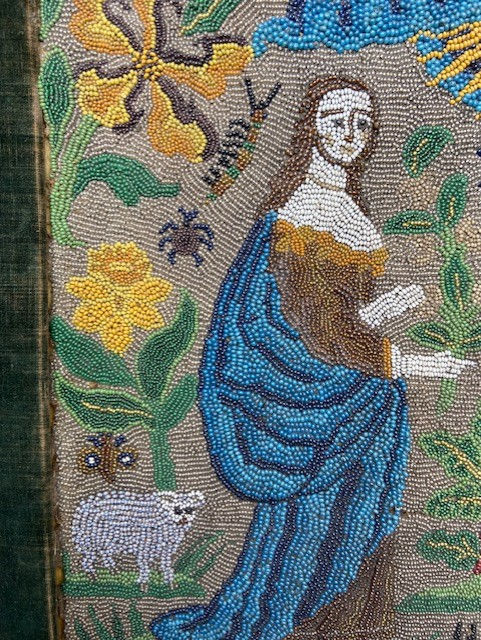
Beadwork in 17th century England offers a fascinating glimpse into the artistry, culture, and daily life of the time. This craft was more than decoration; it reflected social status, personal identity, and evolving fashion trends. Understanding the techniques, materials, and uses of beadwork from this period reveals a rich tradition that influenced later styles and remains admired by collectors and historians today.
The Historical Context of 17th Century English Beadwork
The 1600s in England were marked by political upheaval, religious change, and expanding global trade. These factors shaped the materials available and the styles popular in beadwork. Beads were often imported from Europe
Beadwork was primarily practiced by women, who used it to embellish clothing, accessories, and household items. It served as a form of personal expression and a way to display wealth. Nobility and wealthy merchants commissioned elaborate pieces, while simpler designs were common among the middle class.
Materials and Techniques Used in 17th Century English Beadwork
Beads in this era were made from glass, metal, and occasionally precious stones. Glass beads were the most common, often imported from Venice or Bohemia, known for their quality and vibrant colors. Seed beads, small and uniform, allowed for detailed patterns.

Popular Designs and Motifs in English Beadwork
Floral patterns dominated 17th century English beadwork, reflecting the period’s fascination with nature and symbolism. Roses, tulips, and daisies appeared frequently, often arranged in symmetrical or scrolling designs.
Other motifs included:
Geometric shapes: Diamonds, circles, and chevrons added structure.
Animals and birds: Symbolizing virtues or family crests.
Religious symbols: Crosses and angels appeared in devotional items.
These designs were not only decorative but also carried meaning, communicating messages about the wearer’s beliefs or social standing.
Uses of Beadwork in 17th Century England
Beadwork adorned a variety of items, each serving different purposes:
Clothing: Sleeves, collars, and bodices featured bead embroidery to enhance fashion and status.
Accessories: Purses, gloves, and shoes were decorated with beads for elegance.
Household items: Cushion covers, wall hangings, and even book covers sometimes displayed beadwork.
Religious objects: Vestments and altar cloths incorporated beads to add splendor.
Beaded items were often gifts or heirlooms, treasured for their craftsmanship and beauty.

Preservation and Study of 17th Century English Beadwork Today
Many surviving examples of 17th century English beadwork are found in museums and private collections. Preservation is challenging due to the fragility of beads and fabrics. Conservators use careful cleaning and stabilization techniques to maintain these artifacts.
Studying these pieces helps historians understand social customs, trade routes, and artistic influences of the time. Detailed examination reveals the skill and patience required to produce such intricate work.

How to Appreciate and Collect 17th Century English Beadwork
For enthusiasts interested in collecting or studying this beadwork, consider the following:
Authenticity: Verify provenance and age through expert appraisal.
Condition: Look for intact beads and minimal fabric damage.
Design: Seek pieces with clear, well-executed patterns.
Context: Understand the historical background of the item.
Visiting museums with textile collections or consulting specialized books can deepen appreciation and knowledge.


Comments