Exploring the Art of 17th Century Needlework Drawstring Purses
this weeks featured item from kevinukdelftware
The 17th century was a time of rich artistic expression, and needlework played a significant role in everyday life. Among the many handcrafted items of this era, drawstring purses stand out as both practical accessories and exquisite works of art. These purses reveal much about the social customs, fashion, and craftsmanship of the time. This post explores the history, design, and cultural significance of 17th century needlework drawstring purses, offering insights into their creation and enduring appeal.
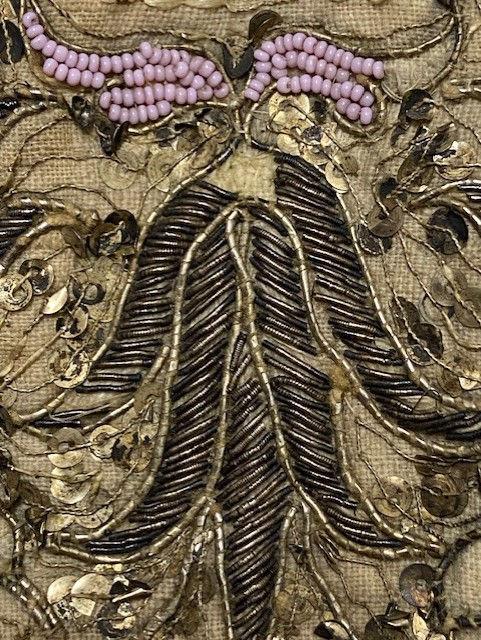
this weeks featured piece and yes currently for sale is a wonderful needlework drawstring purse french or english and circa 1690-1720 , richly decorated in metal thread and murano beads and sequins, it still retains its charm and decoration and drawstring tassels even after 300 years , a true work of art
thread and beads are laid onto a linen backing and front and back have a tulip motif decoraton , inside liner is linen nd this example has 2 compartments all intact with the drawstring closures with bound tassels , for a 300 year old fabric piece it has survived in excellent condition with minor losses to the threads , this is available and will be uploaded to the website soon but if intrested come direct and we can work something out
international shipping fully insured is standard

The Role of Drawstring Purses in the 17th Century
Drawstring purses were more than just containers for coins or small personal items. In the 1600s, they served as symbols of status and taste. Women often carried these purses as part of their daily attire, and the quality of the needlework reflected their social standing. The purses were typically small, designed to be worn on a belt or carried by hand, making them both functional and decorative.
The drawstring mechanism allowed for easy access while keeping contents secure. This practical feature made the purse a popular accessory among women of various classes, though the materials and complexity of the embroidery varied widely.

Materials and Techniques Used in Needlework
The creation of a 17th century drawstring purse involved several materials and needlework techniques:
Fabrics: Silk, velvet, and fine linen were common bases for these purses. The choice of fabric often indicated the purse's intended use and the owner's wealth.
Threads: Silk threads were preferred for their sheen and durability. Gold and silver threads were sometimes incorporated for added luxury.
Embroidery stitches: Techniques such as satin stitch, chain stitch, and couching were widely used to create detailed floral and geometric patterns.
Beading and embellishments: Pearls, glass beads, and sequins occasionally adorned the embroidery, enhancing the purse's visual appeal.
Needleworkers of the time demonstrated remarkable skill, often spending weeks or months completing a single purse. The designs were inspired by nature, mythology, and contemporary fashion trends.
Common Designs and Motifs
The motifs embroidered on 17th century drawstring purses often carried symbolic meanings or reflected popular aesthetics:
Floral patterns: Roses, tulips, and lilies were frequent choices, symbolizing love, purity, and beauty.
Animals and birds: Peacocks, rabbits, and butterflies appeared as symbols of elegance, fertility, and transformation.
Geometric shapes: Repeated patterns and borders framed the central designs, adding structure and balance.
Religious and mythological themes: Some purses featured biblical scenes or allegorical figures, reflecting the owner's beliefs or interests.
These motifs were carefully planned to fit the purse's shape and size, creating harmonious and eye-catching compositions.
How Drawstring Purses Were Made
The process of making a 17th century needlework drawstring purse involved several steps:
Design planning: The needleworker sketched the pattern on paper or directly onto the fabric.
Fabric preparation: The base fabric was cut to size and sometimes stiffened with backing materials.
Embroidery: Using fine needles and threads, the artisan stitched the design with precision.
Assembly: The embroidered panels were sewn together, and the drawstring channel was created at the top.
Adding the drawstring: A cord or ribbon was threaded through the channel to allow opening and closing.
Finishing touches: Linings, tassels, or decorative knots were added to complete the purse.
This careful craftsmanship ensured that each purse was both beautiful and durable.
The Cultural Significance of Needlework Purses
Beyond their practical use, these purses held cultural importance. Needlework was a valued skill for women, often taught from a young age as part of their education. Creating a purse was a way to demonstrate patience, creativity, and domestic ability.
In some cases, purses were given as gifts to mark special occasions such as weddings or coming-of-age ceremonies. They could also serve as keepsakes, passed down through generations.
The artistry of these purses offers a window into the lives of 17th century women, their social roles, and the aesthetics they cherished.
Preserving and Collecting 17th Century Drawstring Purses Today
Many 17th century needlework purses survive in museums and private collections. Conservators work carefully to preserve the delicate fabrics and threads, which can deteriorate over time. These purses provide valuable insights for historians, textile artists, and enthusiasts.
Collectors prize purses with well-preserved embroidery and original materials. When acquiring or caring for such items, it is important to:
Store purses in acid-free tissue paper and boxes
Avoid exposure to direct sunlight and humidity
Handle with clean hands or gloves to prevent oils from damaging the fabric
Studying these purses can inspire modern needleworkers and designers to appreciate traditional techniques and motifs.
Modern Inspiration from 17th Century Needlework Purses
Contemporary artists and crafters often draw inspiration from historical needlework. The intricate designs and craftsmanship of 17th century drawstring purses influence modern embroidery, fashion accessories, and textile art.
By examining these historical pieces, creators can:
Adapt traditional stitches and patterns to new materials
Explore the symbolism behind motifs for storytelling in their work
Combine old and new techniques for unique designs
This connection between past and present keeps the art of needlework alive and evolving.


Comments